
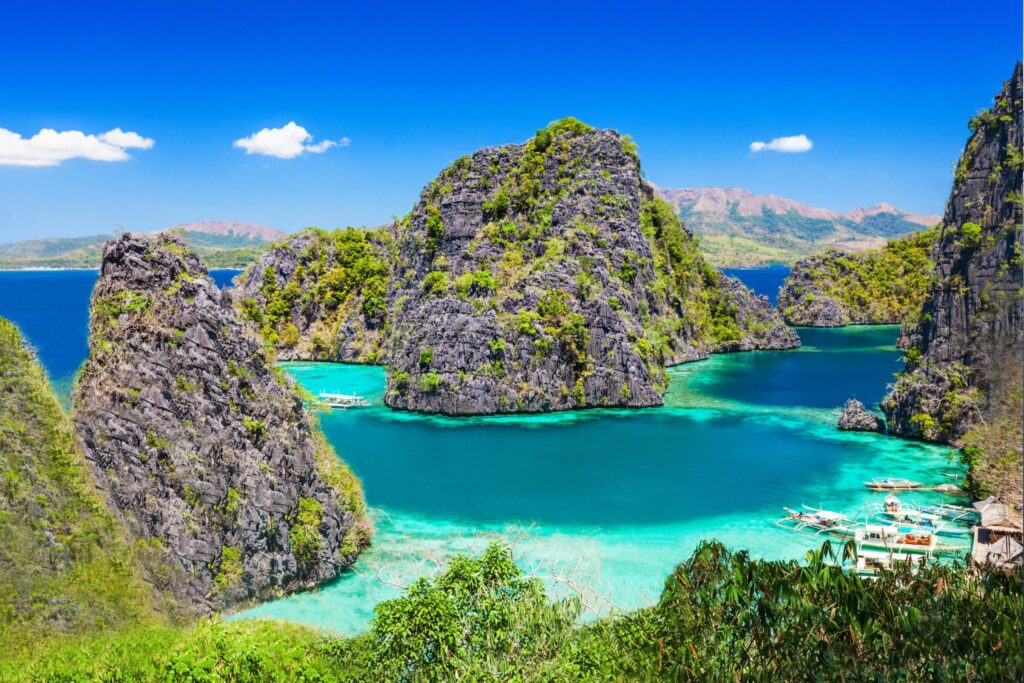
The country is made up of 7,641 islands and is split up into three main parts; Luzon, Visayas and Mindanao and it has around 170 languages and dialects spoken nationwide. Everywhere you go there will be different traditions, cultures and cuisines that belongs to each community. However, in each town or province you visit there will always be things that’s worth remembering!
Respect
Respect can be shown in many ways whether it be through greetings or actions. In the Philippines, “pagmamano” is an honouring-gesture in Filipino culture as a sign of respect or requesting blessings from elders. This gesture is done by taking the elder’s hand and placing it on your forehead.
“Po” and “Opo” are honorifics in the national language, Tagalog. This is a polite expression that shows respect to elders or people of authority (for example, in the workplace). “Opo” is the respectful way of saying Yes while “po” is a sign of deference that is usually used after the verb or at the end of the sentence.
When visiting the Philippines you may often hear vendors or locals refer to you as Ma’am or Sir. To return that respect you may either call them ‘Ate’ (older sister) or ‘Kuya’ (older brother). If they are elderly you can call them ‘Nanay/Nay’, which traditionally means mother, and father is ‘Tatay/Tay’ but to be polite it is also used for anyone that is significantly older than you.
The Language
Philippines have many dialects but the two main languages are Tagalog and English. Filipino culture has plenty of Spanish influence specially in the language. Fun fact, Chavacano is a Spanish-based creole language spoken in Zamboanga City in the South of the country which consists of 60-75% Spanish. Although, not all are fluent in English you will definitely meet locals that put in the effort!
Here are some useful phrases you can use:
Kumusta? – How are you?
Salamat (po) – Thank you
Magkano (po) – How much?
Hindi (po) – No
Opo/Oo – Yes
Kain tayo! – Let’s eat!
Masarap – Delicious
Transport
Traffic in the main cities can be hectic. Keep in mind there is no proper driving etiquette or “rules” in the Philippines, so be careful!
The easiest and main form of transport is by tricycle, motorbikes or jeepneys. Tricycles are a form of motorbikes with an attached side car and is commonly seen in rural areas. Jeepneys are almost a fusion between tricycles and buses. It’s the most popular mode of transport for commuters. Buses are often found in big cities like Manila but are mainly used for intercity travels.
If you ever find yourself riding one of these, let us prepare you for possible culture shocks. Whatever weight the vehicle can carry is the passenger limit. It’s not rare to see people clinging onto the sides of tricycles or sitting on top of jeepneys. You can stop anywhere throughout the route by calling out ‘para’, meaning stop. Often times vendors will hop on and cruise along for a few stops selling goods like water, peanuts, desserts or face towels!
Food
Filipino food is bold, comforting, and full of flavour…And yes, rice comes with pretty much everything. Delight in a mix of sweet, salty, sour, and savoury all in one meal, sometimes on the same plate. It’s the kind of cuisine that grows on you fast.
Must-try dishes:
- ADOBO: Often seen as the national dish, chicken or pork marinated in soy sauce, vinegar, garlic, and spices. It’s rich, tangy, and satisfying.
- SINIGANG: Comforting sour soup, usually made with pork or seafood and packed with vegetables, perfect if you want something hearty but refreshing at the same time.
Must-try desserts:
- HALO-HALO: Experience one of the ultimate tropical dessert; shaved ice mixed with sweet beans, fruits, jellies, and topped with ice cream. It sounds chaotic, but it works perfectly.
- LECHE FLAN: Creamy caramel custard that shows up at pretty much every celebration (and disappears very quickly once served).
Street food is also a big part of the experience! You’ll find everything from grilled skewers (like “isaw” or chicken intestines, for the adventurous), to fish balls sold from street carts, usually served with a choice of sweet or spicy sauce. It’s cheap, fun, and very much part of local life!
Culture
With the warm and welcoming culture, expect lots of smiles, friendly chats, and people who genuinely go out of their way to help. Filipinos are famously known for their hospitality as family and community are a huge part of life here. Don’t be surprised if people treat you like an old friend after just a short conversation.
When it comes to traditions, festivals are a huge highlight. The country is famous for colourful and energetic celebrations like the Sinulog Festival in Cebu, the Ati-Atihan Festival in Kalibo, and the wild street parties of MassKara Festival in Bacolod. Expect loud music, dancing in the streets, bright costumes, and basically the whole town getting involved
Religion also plays an important role in daily life, and you’ll notice churches, fiestas, and celebrations are part of many communities throughout the year.
And of course… karaoke deserves its own mention. It’s everywhere. Family gathering? Karaoke. Quiet afternoon? Definitely karaoke!!
Weather/Best Time to Visit
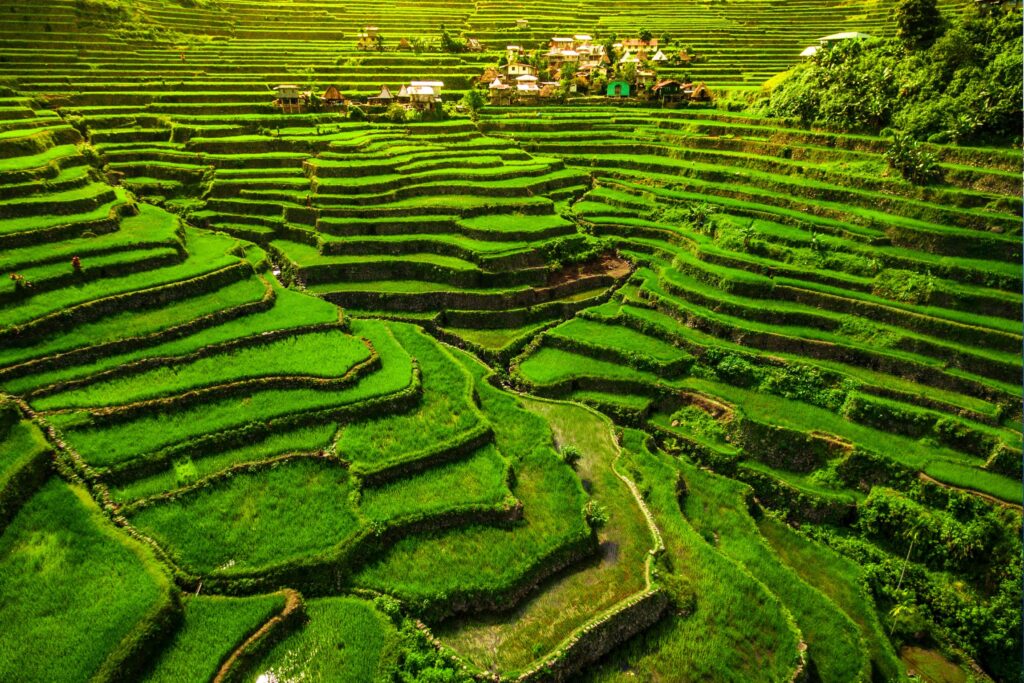
Philippines has a tropical climate, so think hot, humid, and sunny vibes all year round with two main seasons: dry and rainy.
The dry season (November to May) is the sweet spot and easily the best time to visit! Filled with loads of sunshine, calmer seas, and perfect conditions for island hopping, beach days, and experiencing tropical life. This is also peak season, especially from December to April, when the weather is at its most reliable.
The rainy season (June to October) brings heavy rainfalls and occasional typhoons, especially around July to September. Travel is still possible, but you might need to be a bit flexible as some areas can flood after heavy rain.
As Philippines is made up of over 7,000 islands, the weather doesn’t always behave the same everywhere. One island might be sunny while another is getting drenched, so it is highly recommended to always check local forecasts before island hopping.
And that wraps up this essential Philippines Travel Guide, from food and culture to transport and weather, you’re all set to explore over 7,000 islands full of beaches, adventures, and unforgettable experiences. Don’t forget sunscreen, the sun does not play around here!
If visiting the Philippines is in your bucket list, contact our travel team about Philippines escorted tours and cruise holidays available.
Contact Us


