Treasures of the Mediterranean Cruise Itinerary
DAY 1 – Palma, Majorca
Arrive in Palma and take in the lively feel of the city, where elegant streets, local shops, and tucked-away tapas bars give it plenty of character. Wander through the old town, stop for photos at Bellver Castle, and enjoy some time browsing boutiques or sampling small plates in the side streets.
If you fancy getting out of the city, head north the Tramuntana mountains to visit Valldemossa, a charming village known for its cobbled lanes, craft shops, and quiet cafés, as well as its historic monastery.
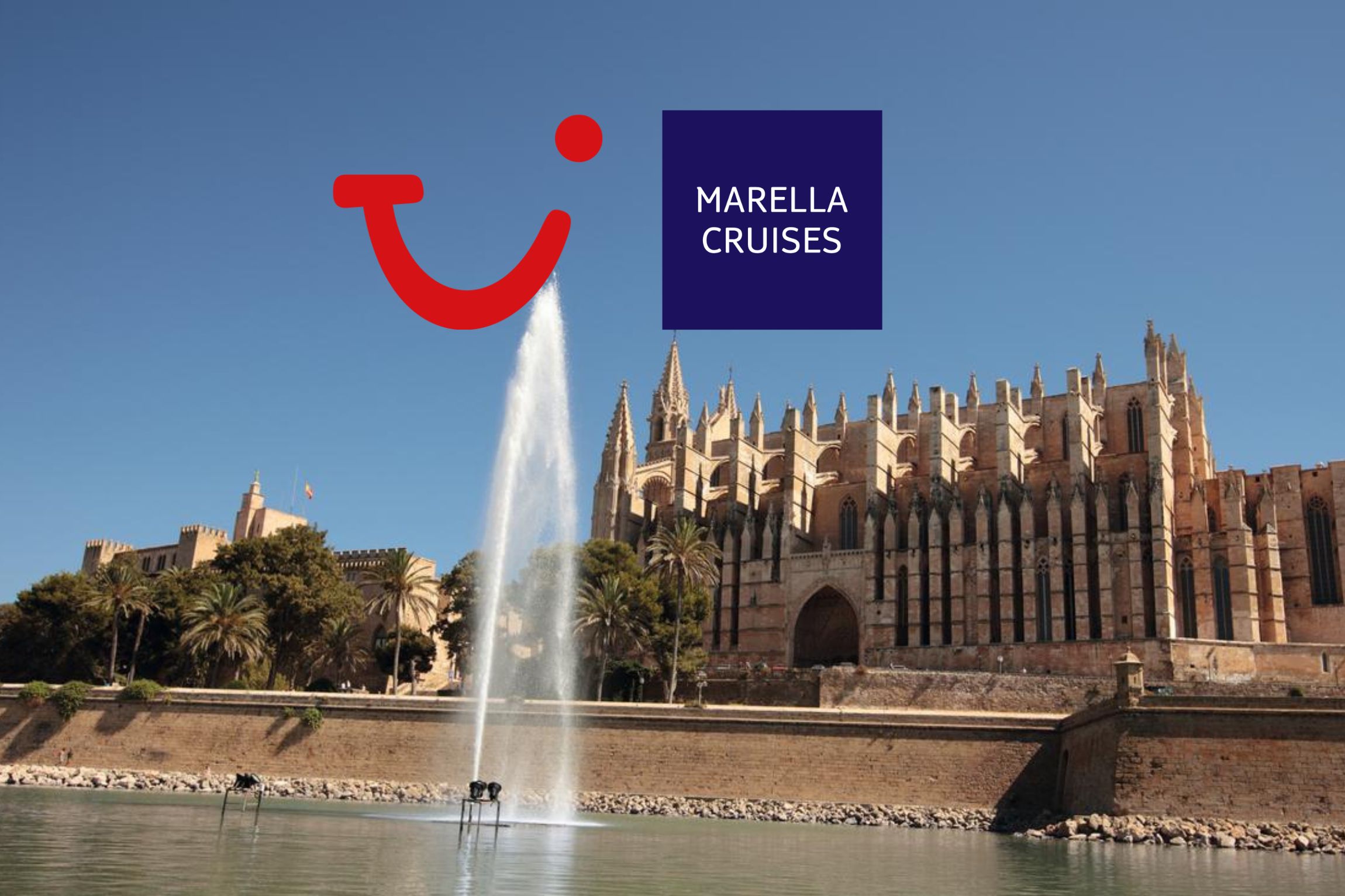
Before the day ends, make sure to see Palma Cathedral and its dramatic Gothic design and views over the bay are even more memorable as it lights up in the evening while the ship departs.
DAY 2 – At Sea
DAY 3 – Olbia, Sardinia
The busy port city of Olbia is the gateway to Sardinia’s Costa Smeralda. Stretching north of the city, this stretch of coastline is a patchwork of sandy beaches, virgin coves – and those signature emerald waters the region’s known for. Porto Cervo sits at its heart, while nearby towns blend chic resorts with pockets of traditional Sardinian life.
The National Archaeological Museum of Olbia is stocked with artefacts left behind by the Romans and the island’s ancient Nuraghic civilisation.
Join a scenic tour along the Costa Smeralda, stopping at viewpoints like Belvedere for views across the coastline and villages such as Porto Cervo and Baja Sardinia.
Bike rides are reliably scenic in these parts, taking in charm-filled villages and china-white beaches along the way.
DAY 4 – Naples (for Pompeii & Capri), Italy
Naples is Italy’s most red-blooded city. This is the place where the pizza is so good people don’t wait for their slices at restaurant tables, they order it to-go from street side windows. And it’s the city where the soundtrack is the beeping of moped horns. For all its joy de vive, you wouldn’t know Naples is actually one of the oldest continuously-inhabited cities in the world. The city centre is actually a UNESCO World Heritage Site, and it’s dripping with ancient architecture, cathedrals and churches.
Visit the time-frozen cities of Pompeii and Herculaneum, whose citizens were stopped in their tracks by the famous eruptions of 79 AD.
Teeter on the brink of Mount Vesuvius, the only active volcano you can climb in Europe.
Visit Spaccanapoli – a lively street that runs through the heart of Naples. It’s dotted with Baroque churches and street food places.
DAY 5 – Civitavecchia (for Rome), Italy
From Civitavecchia, head into Rome, a city packed with history, culture, and iconic sights at every turn. As you explore, you’ll come across famous landmarks, lively squares, and plenty of places to stop for authentic Italian food.
Make sure to visit the Trevi Fountain and toss in a coin for good luck, then step back in time at the Colosseum, imagining the gladiator battles that once took place there. If you have time, continue on to Vatican City to see St Peter’s Basilica, the Vatican Museums, and the Sistine Chapel, home to Michelangelo’s incredible ceiling.
DAY 6 – Ajaccio, Corsica
Rugged peaks, emerald countryside, twinkling blue waters – Corsica’s been plucked from the prettiest postcard. Rising up from one of the most beautiful gulfs in the world is Ajaccio, a town oozing charm. An impressive place in its own right, it’s also your gateway to the unspoilt scenery and sleepy little towns that this sun-soaked isle is famous for. One word of advice – take plenty of spare batteries for your camera.
Get back to nature in the countryside that surrounds the city. Taking a coach and train trip, you can explore the maquis – the rich green hillside that’s unique to Corsica.
For something a bit different, head for Cupulatta Park – Europe’s only tortoise protection centre. From babies measuring just a few centimetres to wizened, decades-old grandfathers, you’ll find them all here.
Check out the statue of Napoléon Bonaparte – Ajaccio’s most famous son – at the tree-lined Place Maréchal-Foch, or visit his former childhood home, which is now a museum.
DAY 7 – Palamos, Spain
Palamos, on the Costa Brava, still holds onto its roots as a fishing village, with a lively harbour and some of the freshest seafood around. You can spend a relaxed day on the beach or wander through the old town’s narrow streets before stopping by the Fishing Museum to learn about the area’s history.
Explore nearby towns like Tossa de Mar and Lloret de Mar offer scenic coastlines, beaches, and historic spots. Alternatively, you could take a trip to Barcelona, about an hour and a half away, to see famous landmarks, stroll along Las Ramblas, or visit the home stadium of FC Barcelona.
Day 8 – Palma, Majorca
Make the most of your last day by soaking up Palma’s mix of style and history. Stroll along the leafy streets, dip into a few local shops, and enjoy some tapas in the tucked-away bars around the old town.
Revisit highlights like Bellver Castle for great views, or take a short trip out to Valldemossa in the mountains for a quieter, more traditional feel. Before you leave, don’t miss Palma Cathedral, it’s a standout landmark, and seeing it lit up by the evening light is a perfect way to end the trip.